
Flip over any skincare bottle in your bathroom and you’ll likely find a sections of the label that looks more like a chemistry textbook than a beauty product. Words like “niacinamide,” “hyaluronic acid,” and “retinol” are now commonplace, but they weren’t always. Just a decade ago, moisturising was enough for most consumers. Today, a sophisticated understanding of specific compounds is driving purchasing decisions, with the global skincare market valued at roughly £115 billion in 2024 and projected to reach £145 billion by 2030. Why such dramatic growth? Because consumers are moving beyond basic hydration and targeting their skin concerns with scientifically-backed “active ingredients.” They don’t want to just feel like they’re doing something—they want to know what’s actually work.
This shift has led to a fascinating debate in the beauty world: should you follow the popular (and heavily promoted) “rule of 7” that dictates a multi-step evening routine, or simplify everything down to just one or two powerful products? Navigating the terminology can feel overwhelming, which is why so many people give up before they even start. In this guide, we break down exactly what active ingredients are, how they function differently from passive moisturizers, and how to build a routine that actually delivers visible results.
What Exactly Are Active Ingredients?
Active ingredients are compounds that interact directly with the physiological processes of your skin to produce a measurable change. Unlike passive ingredients, which sit on the surface to provide protection or sensation (like silicones or shea butter), actives penetrate the skin barrier to trigger cellular reactions. The active ingredient is the powerhouse; carrier agents simply deliver the substance to the target site.
For example, Vitamin C (L-ascorbic acid) is an antioxidant that fights free radical damage and brightens skin by inhibiting melanin production. When applied topically, it must be formulated correctly to remain stable and effective, but once it crosses the skin barrier, it begins a specific chemical process: scavenging harmful free radicals and stimulating collagen production. Without this active ingredient, a cream is little more than a nice-scented lotion. That’s why the skincare industry pays such close attention to these molecules. The difference between an effective product and an expensive placebo often comes down to the presence and concentration of a specific active.
Active vs. Passive Ingredients: The Critical Distinction
Understanding the difference between active and passive skincare is essential to building an effective routine. Think of it this way: actives address the why behind a skin concern, while bases and emollients address the what.
Active Ingredients: The Problem Solvers
These are the substances that change skin biology. They have a specific mechanism of action and are proven to help conditions ranging from acne and hyperpigmentation to fine lines and dehydration. Common examples include retinoids for cell turnover, AHAs (Alpha Hydroxy Acids) for exfoliation, and peptides for collagen stimulation. Without actives, your routine is purely cosmetic—you’re masking issues rather than fixing them. In contrast, mastering techniques like a perfect no-makeup look often relies on enhancing what these actives repair.
Passive Ingredients: The Support System
Also known as “emollients,” “humectants,” and “occlusives,” these protect the skin barrier and maintain moisture levels. Petrolatum, mineral oil, and lanolin are classic examples. While they can’t fight aging or redness the way an active does, they’re absolutely crucial. They keep the skin hydrated so that the active ingredients can do their job without causing irritation. A routine missing these will likely leave your skin irritated and prone to breakouts.
The Big Players: Common Active Ingredients and Their Uses
The beauty market is flooded with options, but certain ingredients have stood the test of time and scientific scrutiny. Here’s a breakdown of the most popular actives currently making waves in the industry.
- Retinol (and Retinoids): The gold standard for anti-aging, retinol boosts collagen production and cell turnover, reducing the appearance of fine lines, fading dark spots, and unclogging pores. It’s potent, so start slow—apply pea-size amounts twice a week until your skin builds tolerance.
- Vitamin C (L-ascorbic acid): A powerful antioxidant that brightens skin, evens out skin tone, and protects against environmental damage. For best results, use it during the day under sunscreen. Note that it degrades quickly in light and air, so store it in a dark, airtight bottle.
- Hyaluronic Acid: This isn’t an active in the “creating biological change” sense like retinol, but it is a functional molecule. It can hold up to 1,000 times its own weight in water, plumping skin instantly. Apply it to damp skin before heavier creams.
- Niacinamide (Vitamin B3): Excellent for reducing inflammation, brightening skin, and regulating oil production. It’s particularly well-suited for sensitive or acne-prone skin because it strengthens the skin barrier without clogging pores.
- Salicylic Acid (BHA): A larger molecule than AHAs, this oil-soluble acid penetrates deeper into pores to dissolve excess sebum and dead skin cells. Ideal for acne-prone skin, though it can be drying if overused.
- Glycolic Acid (AHA): The smallest AHA molecule, it removes the outermost layer of dead skin cells for smoother, brighter skin. Great for texture and dullness, but avoid using alongside strong acids if you have sensitive skin.
Interestingly, despite the focus on these buzzy ingredients, studies show that about 60% of consumers say they don’t apply sunscreen daily—a huge factor in skin aging. Ingredients are only one part of the equation. You need sun protection to prevent UV damage from undoing all the hard work those acids and retinols are doing to repair your skin.
Which Actives Are Best? Matching Ingredients to Your Specific Needs
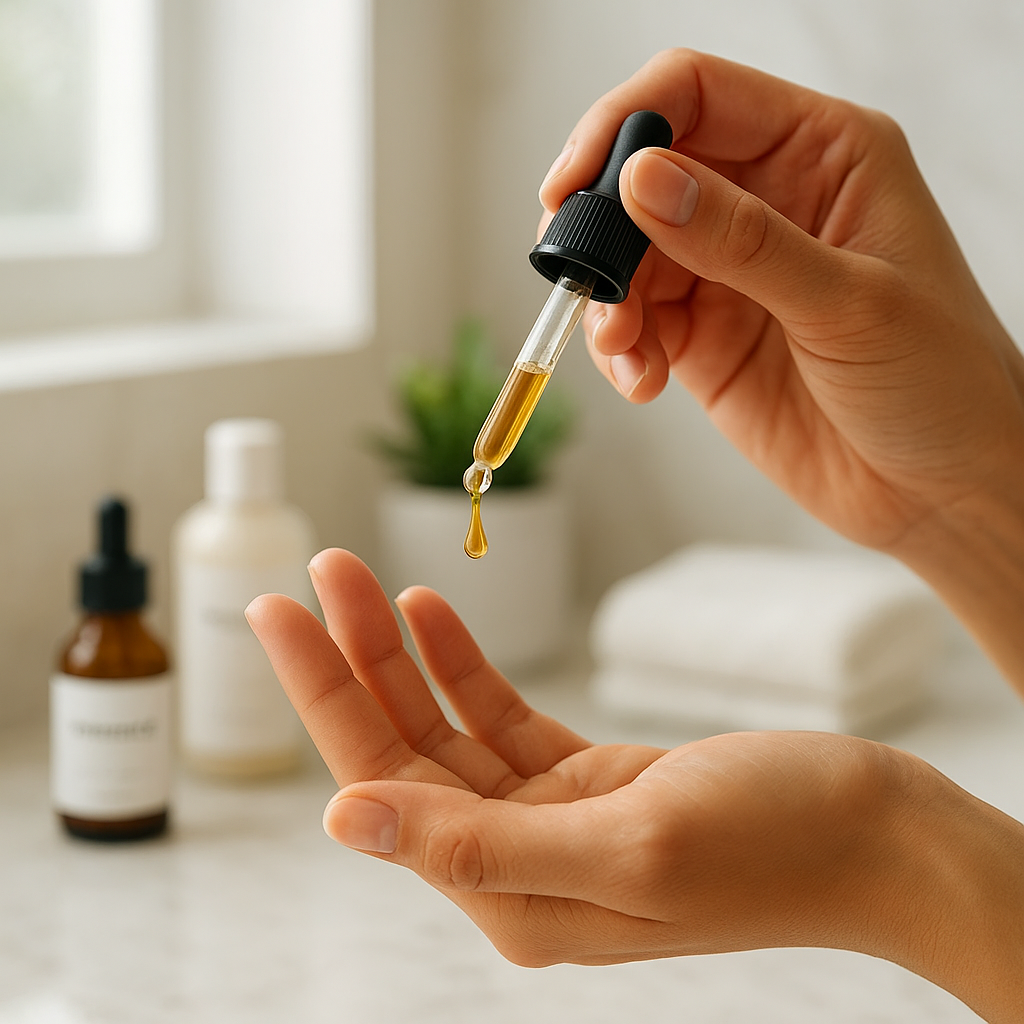
“Best” is subjective. The most effective active ingredient depends entirely on your specific skin type and concerns. Here’s how to match them up.
For Dry, Dehydrated Skin
Look for ceramides, hyaluronic acid, and squalane. These actives and humectants work to repair the lipid barrier and lock in moisture. Avoid anything high in alcohol which can further strip the skin.
For Oily, Acne-Prone Skin
Salicylic acid, niacinamide, and azelaic acid are your best friends. They regulate sebum production and keep pores clear. Clay masks can also help absorb excess oil without over-drying.
For Mature, Eroding Skin
Retinoids, peptides, and Vitamin C are key here. Retinoids rebuild collagen; Vitamin C reduces age spots; peptides signal the skin to produce more structural proteins.
For Sensitive Skin
Centella Asiatica (Cica) extract and centella asiatica are soothing actives that reduce redness. Start with the lowest concentration of any active (like Vitamin C) and patch-test for 24 hours to ensure no irritation.
Combining Actives: What Cannot Be Used Together?
You don’t need to avoid all potential combinations, but certain active ingredients can interact negatively, causing irritation, reduced efficacy, or increased sun sensitivity. It’s not a matter of one cancelling out the other, but rather the chemistry pushing your skin beyond its tolerance.
The most common concern is mixing acids (AHAs/BHAs) with strong retinoids or Vitamin C in the same routine. For instance, using glycolic acid in the morning and retinol at night allows your skin to recover while reaping both benefits—just watch out for excessive flaking. However, combining high-concentration L-ascorbic acid with retinol can destabilise the vitamin and increase sun sensitivity dramatically.
Here’s a quick guide to safe combinations:
- Retinol + Hyaluronic Acid: A perfectpair. The hydration from hyaluronic acid counteracts retinol’s drying effect.
- Niacinamide + Retinol: Generally safe. Niacinamide can actually help stabilize retinol formulations and reduce irritation.
- AHA (Glycolic) + BHA (Salicylic): Potentially irritating. Use one in the morning and the other in the evening, or alternate days.
- Vitamin C + Niacinamide: Yes, they are compatible. In fact, combining them is a popular anti-aging strategy.
Demystifying the “Rule of 7” Skincare Postulate
You may have come across the “rule of 7” circulating on social media, suggesting that you need seven specific steps in your morning or evening skincare routine to achieve “perfect” skin. It goes something like this: cleanse, tone, serum (1), serum (2), eye cream, moisturizer, oil, and sunscreen—or some variation thereof. It sounds precise, even scientific. However, the reality is far more nuanced.
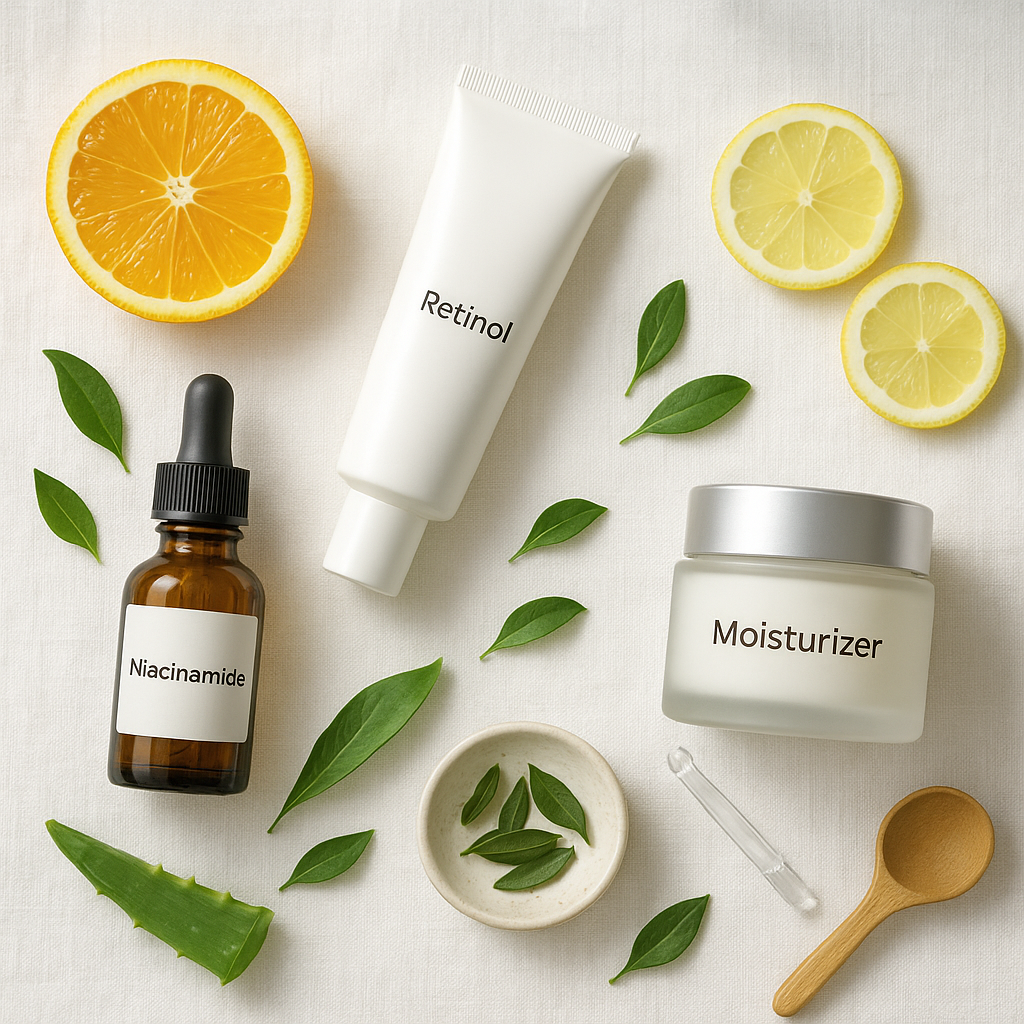
The “rule of 7” is not based on a dermatological consensus but rather a marketing construct designed to encourage product layering. In truth, skin absorption has a limit. Research suggests that applying multiple serums doesn’t always result in better results because the skin can only absorb so much. For effective skincare, quality often beats quantity. If a single ingredient or formula works, adding five more products isn’t necessarily going to make you look younger faster.
A better approach than counting steps is understanding your needs. A basic three-step routine—cleanse, treat (active), moisturise—is usually sufficient. Add extra steps only if specific problems arise (like dark spots requiring a Vitamin C serum) that your current products don’t solve. When in doubt, simpler is usually kinder to your skin barrier.
How to Choose Skincare Products Containing High-Performance Actives
With thousands of products on the market claiming to have “clinically proven actives,” how do you pick the ones that actually work? Transparency is the first indicator of quality. Reputable brands list active ingredients with percentages clearly marked on the packaging. If you don’t see a percentage—like “Retinol 1%”—ask why. High concentrations are often more effective, but too high can cause irritation for sensitive skin.
Packaging also matters. Light and air degrade many potent ingredients, particularly antioxidants like Vitamin C. Look for opaque or airless pump bottles rather than clear glass jars or droppers. This ensures that your active stays stable and effective until the last drop.
Finally, know that “natural” doesn’t always mean “active-rich.” Natural extracts often contain actives (like Vitamin C from rosehips) but in unstable or low-concentration forms. Dermatologists often recommend synthetic alternatives—like stabilized Vitamin C derivatives or lab-made retinol—that offer the same benefits without the degradation risks associated with natural plant extracts. Understanding your skin’s needs also helps with external choices, such as learning to choose the right lipstick once your base is healthy.
Conclusion
Active ingredients have changed the conversation around skincare from vague promises to scientific solutions. By understanding whether a compound is a passive combination medium or a true active ingredient, you can build a routine that targets your concerns rather than just covering them up. Whether you’re tackling acne with salicylic acid, fighting signs of aging with retinoids, or simply wanting to hydrate deeper with hyaluronic acid, the specific ingredients in your bottle matter less than understanding how they interact with your skin’s biology.
As you curate your own routine, remember that the “rule of 7” is more myth than gospel, and that “best” ingredient is solely dependent on your unique skin chemistry. Start slow, patch-test every new active, and prioritise sun protection above all else. With the right knowledge and the right products, you can move past guesswork and into a routine where what you apply actually works. Modern skincare isn’t about magic potions anymore; it’s about chemistry, consistency, and knowing exactly what your skin needs to thrive.